

26 gauge vs 24 gauge metal
Both gauges are impact resistant. The Class 4 test measures puncture resistance, not denting.
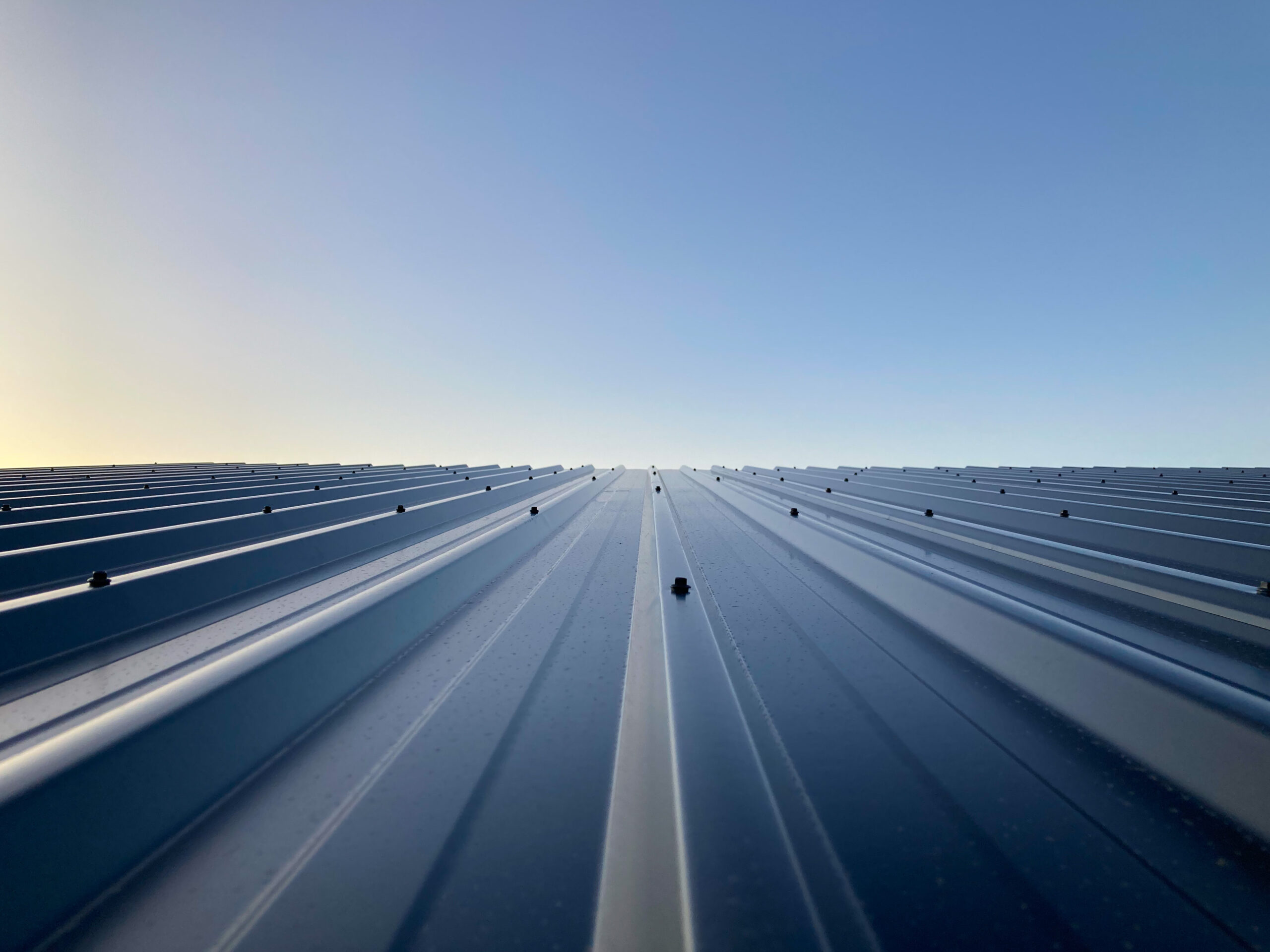
24-gauge metal is about 27.8% thicker than 26-gauge.
The lower the gauge, the thicker/stronger the metal.
24-gauge metal has a minimum of approximately 0.023,” and 26-gauge has a minimum of approximately 0.018”.
Oil-Canning
According to HAAG Engineering,
Oil-canning is distortions in the flatness of metal panels which may be more visible depending on the angle of sunlight on the panels. A result of manufacture, oil-canning is inherent in flat panels. The effect may be reduced by installing panels of shorter widths, using less glossy paints or embossed finished, and/or installing intermediate stiffener ribs.
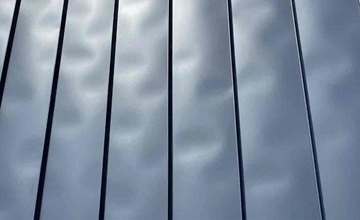
24-gauge is better for resisting oil canning because 24-gauge material is more rigid and resistant to shape changes.
An Array of Colors
Most suppliers and manufacturers offer more color options in 24-gauge material, as it’s the standard in the architectural metal roofing industry. It is also usually coated in a high-performance PVDF paint system. PVDF is a resin made of about 70% polyvinylidene thermoplastic fluoropolymer and 30% acrylic.
When to pick a 24-gauge system if:
- You need a stronger metal.
- You’re concerned about oil canning.
- You want a high-performance PVDF paint system and many color options.
When to pick a 26-gauge system if:
- You have a smaller budget.
- You’re not concerned about oil canning.
- Your project is in a mild-weather environment.
~~~~~~~~~~~~
This blog is NOT legal advice. It is not insurance policy advice. You should consult and attorney and/or a licensed insurance agent for your specific situation.